

How To Monetize Your YouTube Channel In 2025… Many YouTubers struggle with the same challenge: they pour their heart into making videos—spending hours writing scripts, recording, and editing—but the money never comes in. Despite their passion and hard work, the lack of income can be disheartening, leaving them feeling like their effort isn’t paying off the way it should.
The secret is understanding the right methods to monetize your content. With the proper strategies, your dedication can be transformed into actual earnings—and once you master them, you’ll be able to generate income while continuing to do what you enjoy most.
The Concept of YouTube Monetization
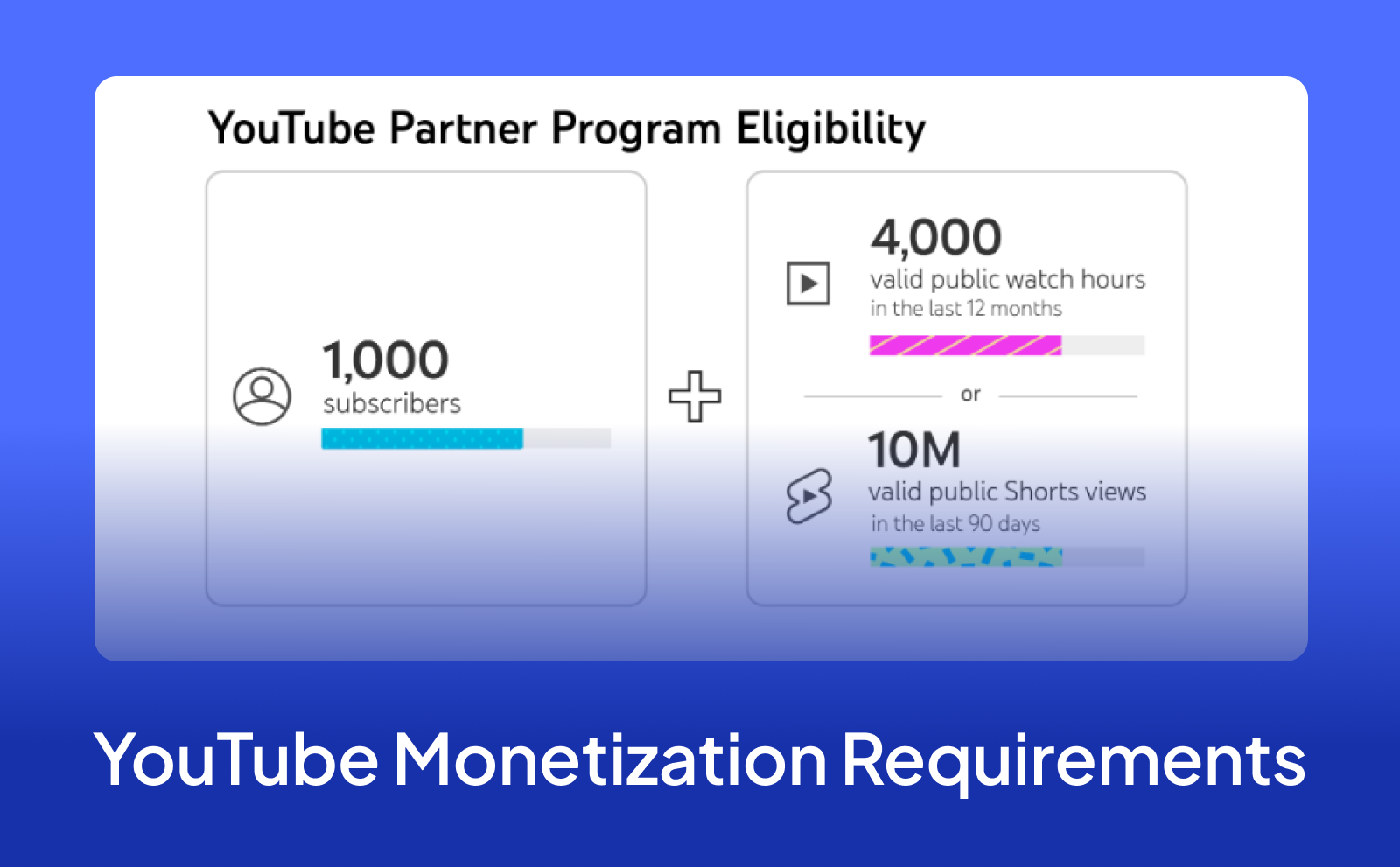
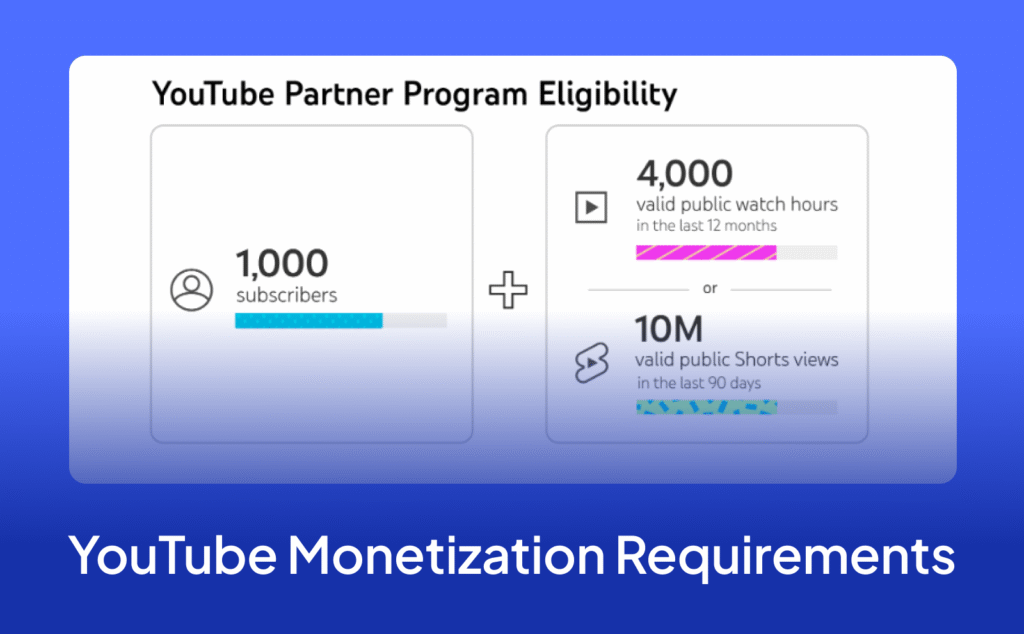
YouTube monetization simply means earning money from your videos. Once your channel has 1,000 subscribers and 4,000 watch hours in the last year, you can apply for the YouTube Partner Program and start getting paid for your content.
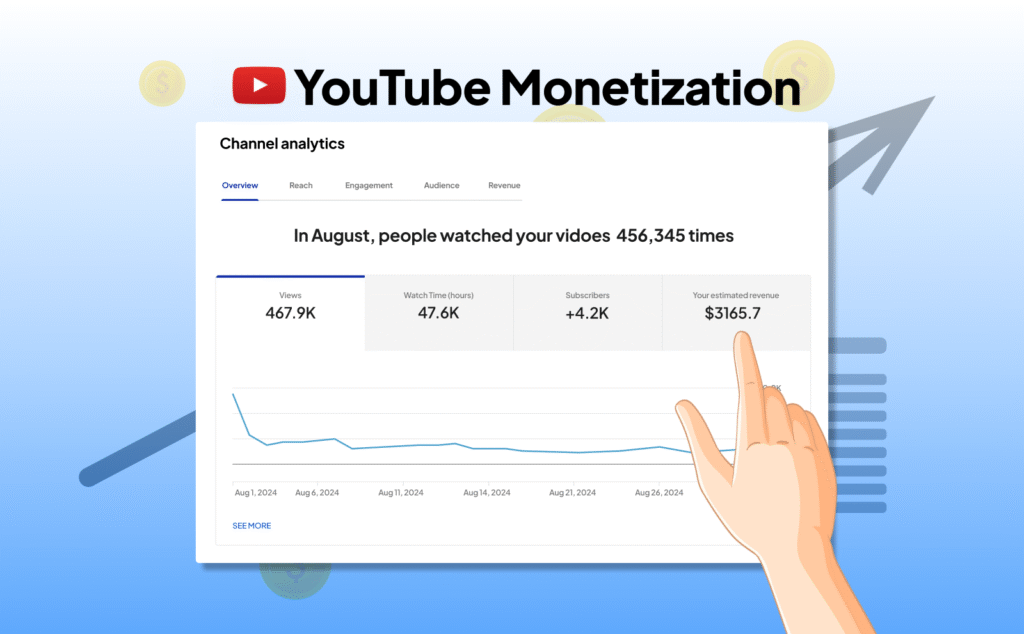
With monetization, ads can be displayed on your videos, and you receive a portion of the revenue when viewers engage with them. It also unlocks additional earning options like channel memberships, Super Chats, and even selling your own merchandise directly on YouTube.
Why Is It Important for Creators?
Monetization matters because it allows creators to transform their YouTube channel into a source of income. Once you begin earning, that money can be reinvested to grow your channel further—or even to launch additional channels. Extra income also makes it possible to outsource tasks like editing or content research, giving you more freedom to focus on the enjoyable aspects of content creation, such as generating fresh ideas and experimenting with creativity.
How to Enable Monetization on YouTube?
To turn on monetization, your channel must first meet YouTube’s eligibility requirements. This means having 1,000 subscribers and 4,000 valid public watch hours in the past 12 months—or alternatively, achieving 10 million public Shorts views within 90 days.
After meeting the requirements, head over to YouTube Studio and click on the “Earn” tab in the sidebar to apply for the YouTube Partner Program. You’ll be asked to accept the terms and conditions, connect a Google AdSense account for payments, and then wait while YouTube reviews your channel. Once approved, you can begin earning revenue through ads, memberships, Super Chats, and other monetization features.
YouTube Monetization Requirements
Subscriber Count
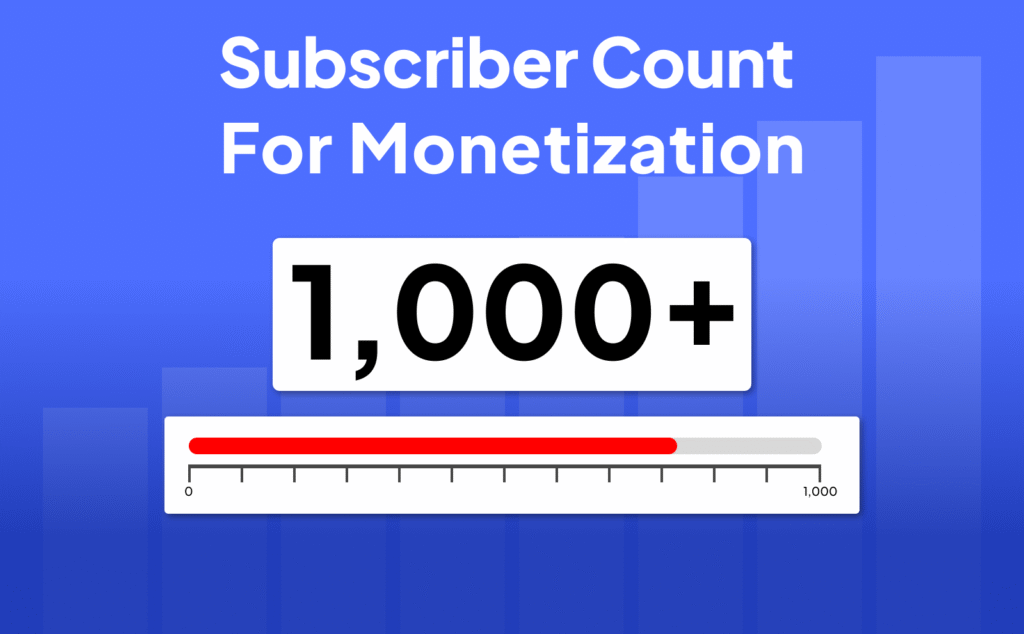
To unlock monetization on YouTube, you must first build an audience of 1,000 subscribers.These subscribers are your loyal viewers—the ones who consistently come back to watch your content. Building this audience doesn’t happen overnight, but by creating engaging videos and actively connecting with your community, your subscriber count will steadily grow.
Watch Time Hours
Watch hours refer to the total amount of time viewers spend watching your videos.For instance, if 100 people watch a 10-minute video from start to finish, that adds up to around 1,000 minutes, or roughly 17 hours of watch time.
For longer videos, reaching the watch time requirement depends on keeping viewers engaged. Focus on creating content that’s interesting, well-edited, and supported by clear audio. If your audience loses interest or gets distracted, they’ll click away—hurting your total watch hours. That’s why quality is key: put in the effort to make videos people truly want to watch from start to finish.
YouTube Shorts Views
If you’re creating YouTube Shorts, you’ll need around 10 million views within 90 days to access full monetization features. However, for smaller milestones—such as unlocking Super Thanks, Super Chats, and viewer donations—reaching 3 million Shorts views in 90 days is sufficient.
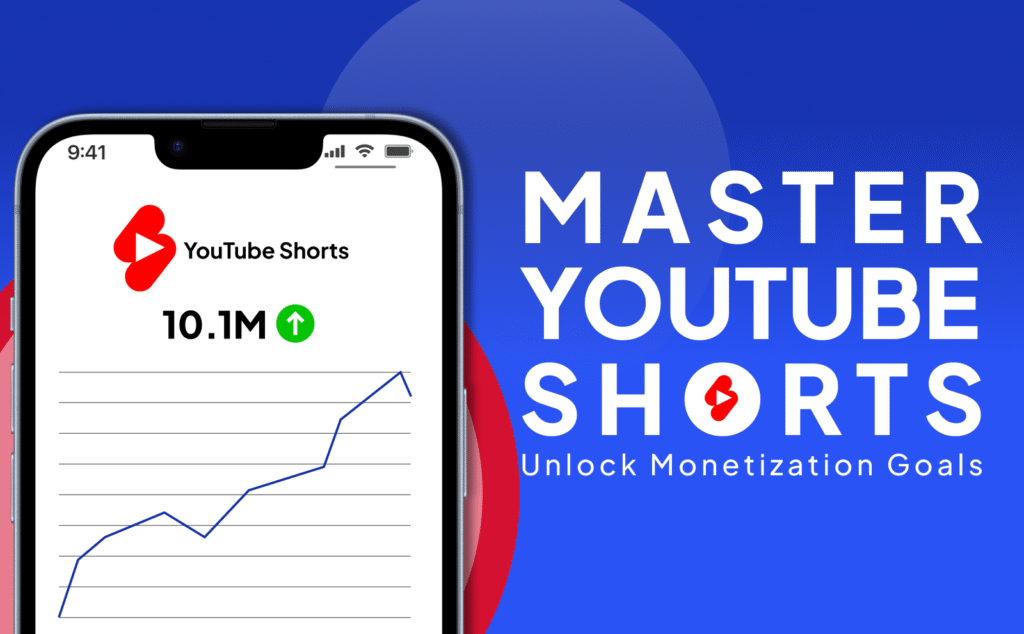
Since Shorts are fast-paced, it’s crucial to grab attention right from the first second. Create a strong hook and make your content engaging enough that viewers not only watch it once but feel compelled to watch it again.
Upload Frequency
One of the biggest factors behind YouTube success is being consistent with your content.Posting videos on a regular schedule keeps your audience engaged and signals to YouTube that your channel is active and worth promoting. You don’t need to upload daily, but even sticking to a weekly routine can boost growth. The key is simple—stay consistent and avoid long breaks.
Location and Policies
Not every country is eligible for YouTube monetization, so it’s important to check if your country is on the approved list. If it isn’t, you won’t be able to earn revenue from ads on your videos.
Always follow YouTube’s rules. Avoid posting harmful, misleading, or guideline-violating content, as this can lead to demonetization—or even get your channel banned. Make sure your videos are safe, clean, and suitable for all audiences.
Adsense Account And Two Factor Authentication
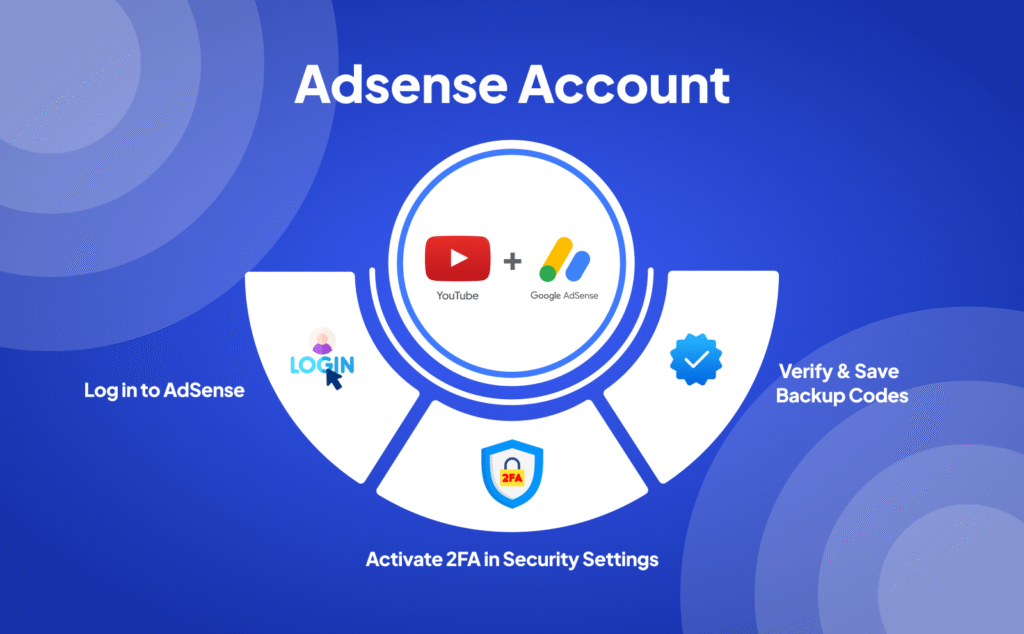
AdSense is the platform where YouTube deposits your earnings, so you’ll need to create an account once your channel qualifies for monetization.Two-factor authentication acts as an extra shield, making it harder for hackers to break into your account.Setting it up is simple and ensures your hard work stays safe.
Different YouTube Monetization Tiers
Even with only 500 subscribers, you won’t yet be eligible for full monetization, but YouTube may offer limited features to smaller channels over time. For now, concentrate on growing your audience and building your content.
Once your channel reaches 1,000 subscribers and meets the required watch time, you gain access to full monetization. This allows you to earn revenue from ads, channel memberships, Super Chats, and other monetization features.
Tools And Resources To Help You Monetize Faster
A great tool to help grow your channel faster is Nexlev. Using the Nexlev extension, you can discover top-performing channels and videos in your niche, giving you insight into what’s working. It removes the guesswork and helps you focus on creating content that’s trending and more likely to succeed.
How to Generate 4,000 Hours of Watch Time
Reaching 4,000 watch hours may seem daunting, but with the right strategy, it’s achievable. Creating longer videos—ideally over 10 minutes—can help boost engagement if viewers watch till the finish.Build binge-worthy playlists so your audience watches multiple videos in one session. Most importantly, make your content interesting, relatable, and valuable to encourage viewers to stay longer.
If you’re exploring YouTube Automation, the process becomes much easier. Automation allows you to outsource tasks like scripting, voiceovers, and video editing, freeing you to focus on brainstorming content and growing your channel. Just ensure the videos remain engaging enough to hold viewers’ attention.
When Will YouTube Approve My YPP Application?
After meeting YouTube’s monetization requirements, you can apply for the YouTube Partner Program (YPP). Once submitted, YouTube typically reviews applications within about 30 days. During this time, they examine your content to ensure it complies with their guidelines, so make sure your channel stays clean and policy-compliant to avoid any delays.
How to Stay Compliant with the YouTube Partner Program
If you want to keep your channel in the YouTube Partner Program, you need to make sure you’re consistently following YouTube’s policies and guidelines. Staying within the rules is the only way to maintain monetization and avoid penalties that could put your eligibility at risk.
t. Make sure your videos are original and don’t rely heavily on reused or copyrighted material. Following these practices helps you build trust with YouTube and ensures your channel can grow smoothly without interruptions.
Steps to Start a New YouTube Channel
1. Choose Your Niche
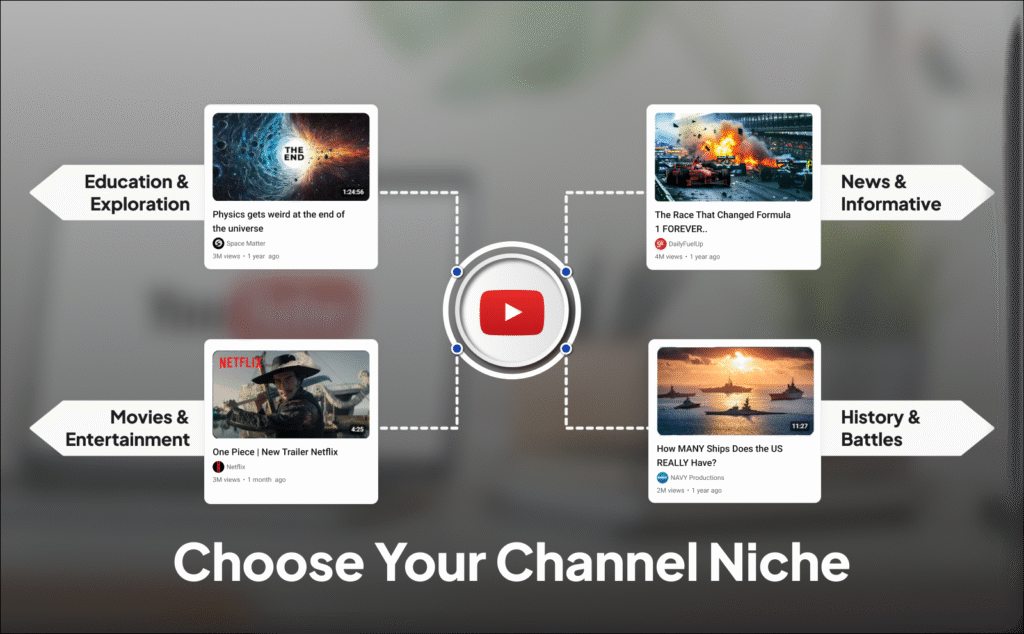
Selecting the right niche is crucial for building a successful YouTube channel. Focus on a topic you’re passionate about and that has an active audience. Popular niches—like true crime, comedy compilations, or influencer news—tend to attract repeat viewers. Find a unique angle that makes your channel stand out and ensure the niche has strong monetization potential.
2. Do Your Research
Study other creators in your niche to see what works and what doesn’t, and identify opportunities to offer something unique. Tools like Chat GPT make it easy to analyze successful channels, helping you understand trends and strategies that you can adapt for your own content.
3. Determine Your Video Type
Decide whether you want to create talking-head videos, animated content, or faceless videos. Choose a style that fits your niche and feels comfortable for you. Faceless videos can be an easier option, as they don’t require a camera or advanced animation skills, making them ideal for beginners or those who prefer not to appear on camera.
4. Assess Other Monetization Potential
Look beyond just ad revenue. Can your niche support affiliate marketing, product sales, or channel memberships? Choosing a niche with multiple income opportunities can significantly boost your earnings and make your channel more sustainable.
5. Plan Your Content Strategy
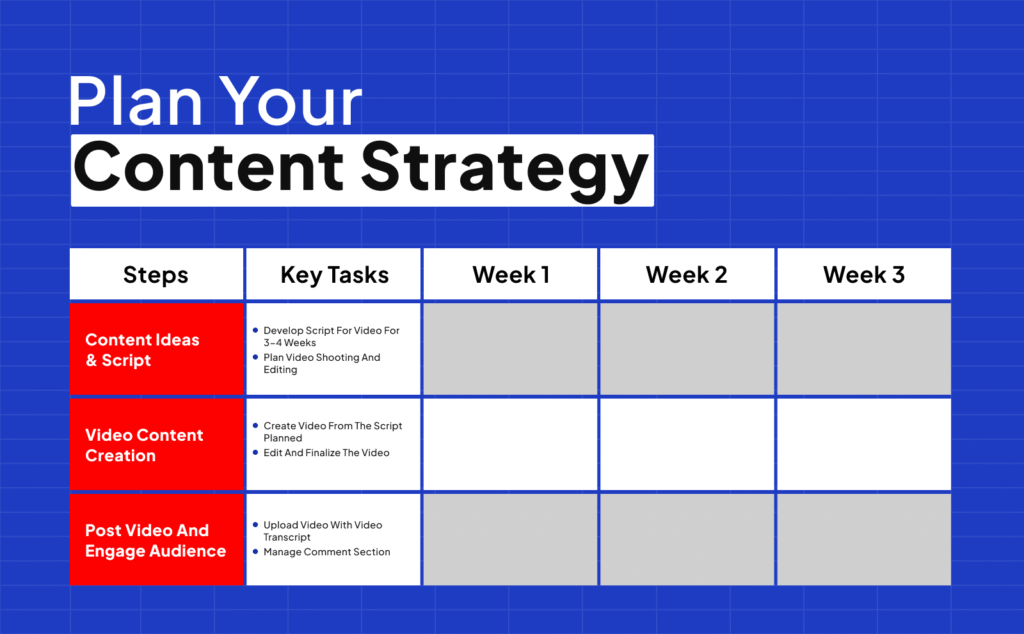
Decide how often you’ll upload videos and what each video will focus on. Prepare a list of ideas in advance so you’re never left wondering what to create next. Consistency is crucial—regular uploads help grow your audience and improve your channel’s performance.
6. Gather the Necessary Equipment
You don’t need top-of-the-line gear to start, but having the basics helps.For talking-head style videos, you’ll need a good camera, a quality microphone for clear sound, and simple editing software. Proper lighting can also greatly improve the professional look of your videos.
Which types of videos or topics are not eligible for monetization on YouTube?
YouTube has clear rules about what types of content can’t make money. Content that encourages violence, hate speech, or offensive themes is not eligible for monetization.
You should also avoid videos that involve illegal activities, scams, or misleading claims.If you break YouTube’s community rules, your channel could lose monetization or even get permanently removed.. To stay safe, always create content that follows the rules and keeps your channel brand-friendly.
Stay Active on YouTube to Keep Making Money
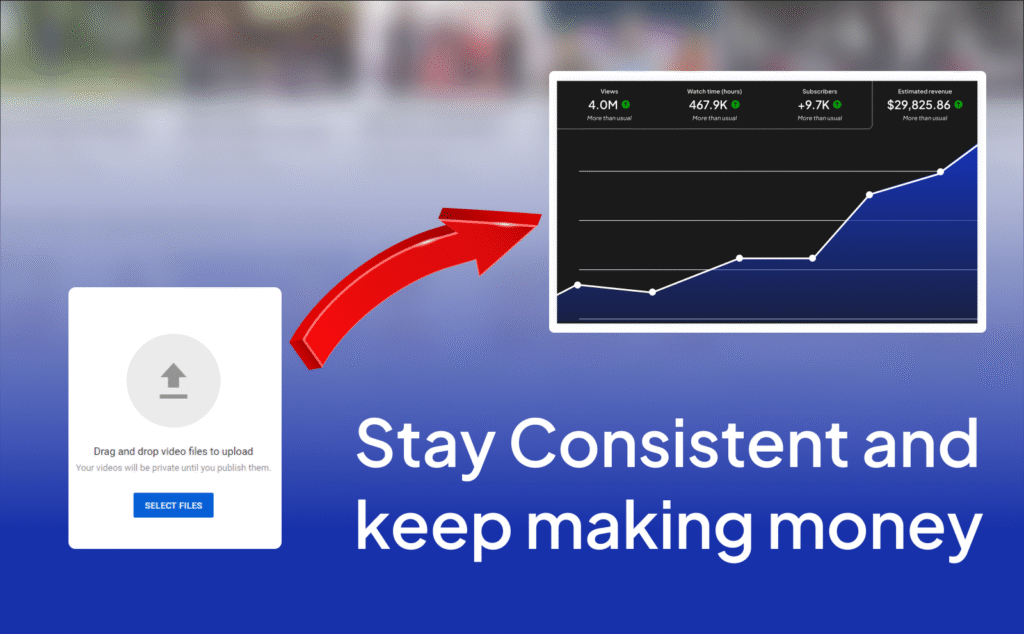
To continue earning on YouTube, staying active and consistent is essential. Long breaks without uploads can hurt your watch time and reduce how often YouTube recommends your videos to new viewers.
Regular uploads help your channel stay visible in the algorithm, leading to more views and more revenue opportunities. Engage with your audience, post consistently, and maintain a steady content schedule to keep your channel growing and profitable.
YouTube Channel Monetization Policies
YouTube has strict policies for monetization. The first step is meeting YouTube’s minimum criteria: 1,000 subscribers plus 4,000 watch hours. In addition, all content must follow YouTube’s community guidelines and be advertiser-friendly.
Even after your channel is monetized, YouTube can demonetize videos that violate these rules. To maintain steady earnings, always ensure your content stays clean, compliant, and suitable for advertisers.
Applying to the YouTube Partner Program (YPP)
When applying for the YouTube Partner Program, it’s crucial to follow YouTube’s policies carefully. Your channel must comply with community guidelines, copyright rules, and advertiser-friendly content policies. Avoid reused content that lacks transformative value, spammy or misleading videos, and anything that violates YouTube’s terms.
YouTube also considers your overall channel activity, so even a single rule-breaking video can affect your application. Before applying, review your content thoroughly and remove anything that might be questionable. It’s always safer to delete risky content than to risk rejection.
Avoiding Copyright and Monetization Mistakes on YouTube
Copyright issues are one of the main reasons creators get demonetized or receive strikes. Ensure that all elements in your videos—such as music, clips, and images—are either original or properly licensed. Never use copyrighted material without permission.
Another frequent mistake is violating YouTube’s advertiser-friendly guidelines. Avoid excessive violence, hate speech, or adult content if you want to remain monetized. Always review your content before uploading to make sure it fully complies with YouTube’s rules.
Top 7 Ways to Monetize on YouTube
1. YouTube Ads
YouTube ads are the most common way creators earn money. After your channel gets monetized, ads will appear on your videos, and you’ll earn a portion of the revenue.
Your earnings depend on factors like your niche, total views, and CPM (cost per thousand impressions). While ads are a great starting point, they can be unpredictable since income varies based on advertiser spending.
2. Affiliates
Affiliate marketing is an effective way to monetize your YouTube channel without relying solely on ads. You recommend a product or service, share a special link in your video description, and earn a commission when someone makes a purchase through that link.
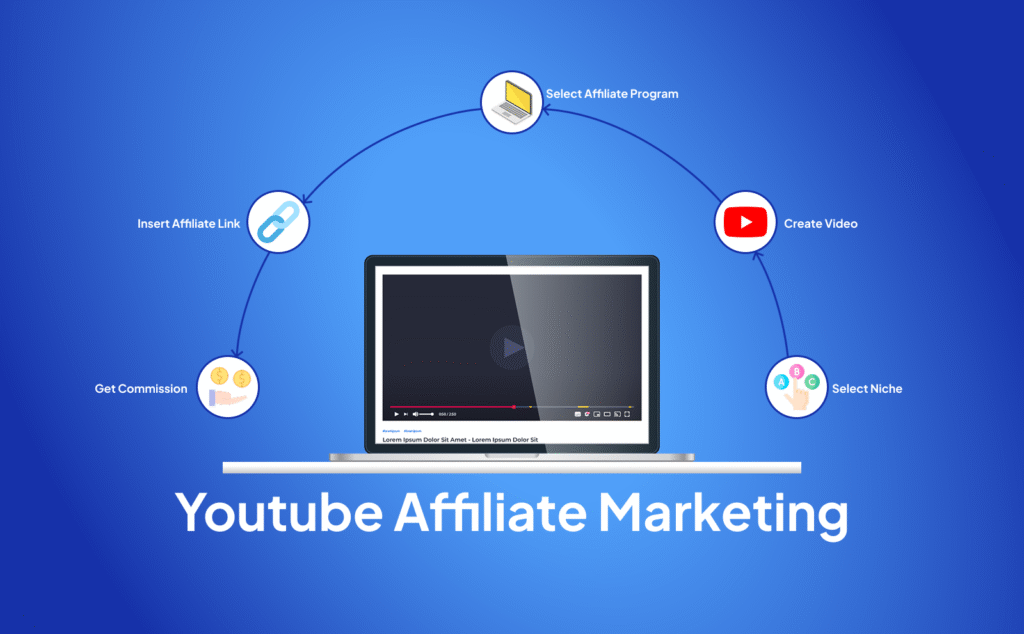
This works best when you promote products relevant to your niche and audience. For example, a tech channel could share affiliate links for cameras, software, or gadgets you actually use. Authenticity is key—viewers can tell if a recommendation feels forced or fake.
3. YouTube Premium
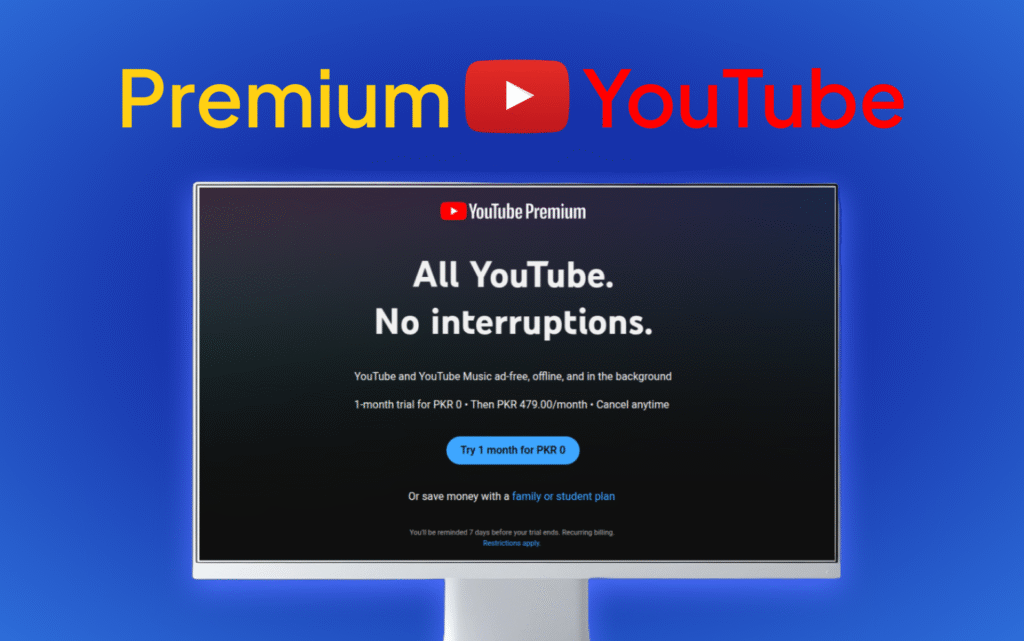
YouTube Premium offers a passive income stream for creators. When a Premium subscriber watches your videos, you earn a share of their subscription fee. The great part is that YouTube handles everything for you.
To maximize earnings from Premium viewers, focus on creating binge-worthy content that keeps them watching multiple videos. Since Premium users don’t see ads, your income depends on how much they engage with your content—a small but steady revenue boost.
4. Channel Memberships
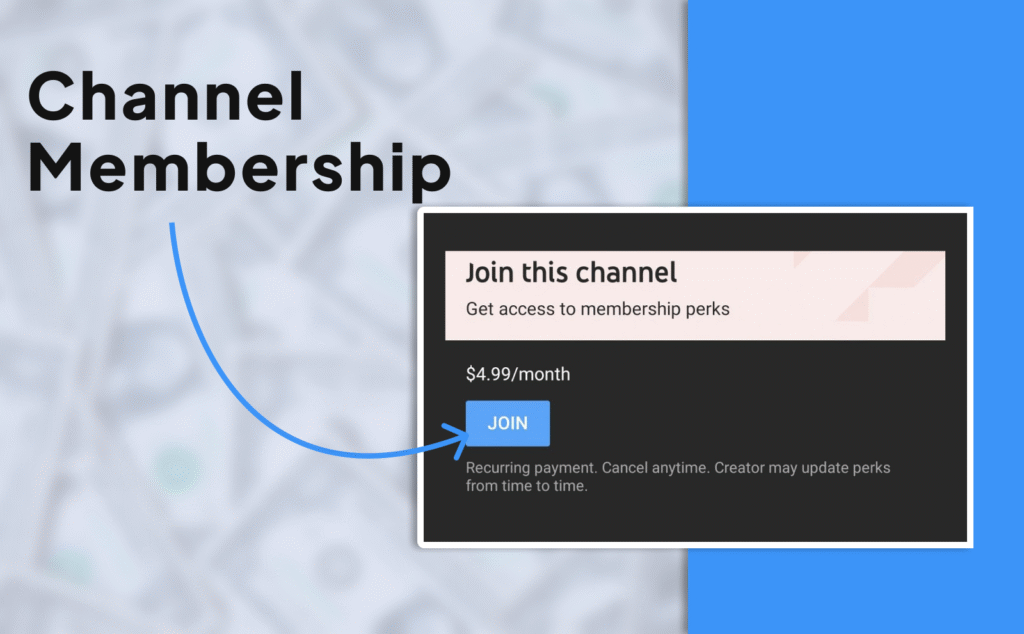
Channel memberships let your audience support you directly in exchange for exclusive perks. Think of it as a subscription service within your YouTube channel. Members pay a monthly fee for benefits like behind-the-scenes content, custom badges, live Q&A sessions, or shoutouts.
To make memberships successful, offer valuable and unique content that gives viewers a real reason to subscribe. The greater the value you deliver, the more your audience will want to keep supporting you.
5. Paid Sponsorships
Paid sponsorships are among the most lucrative ways to earn from your YouTube channel. Brands pay you to feature their products or services in your videos, whether it’s a shoutout, a detailed review, or simply using the product naturally within your content.
The key to landing sponsorships is building a loyal audience in a specific niche. Brands prefer creators who have a strong connection with their viewers. Sponsorship deals can often pay much more than ad revenue, especially when partnering with reputable, high-quality brands.
6.Super Features (Super Chat, Super Stickers, and Super Thanks)
YouTube’s Super Features give creators an exciting way to earn direct support from their fans. With Super Chat and Super Stickers, viewers can pay during livestreams to highlight their messages or share fun stickers, almost like leaving a tip while engaging with your content in real time. Super Thanks, on the other hand, works for regular videos—viewers can show appreciation by sending a donation even after the stream has ended.
Beyond being a great source of extra income, these tools help strengthen the bond between creators and their audience. The more engaging and entertaining your videos or live sessions are, the more viewers will be motivated to use these features.
7.YouTube Shorts
YouTube Shorts is one of the fastest-growing ways to monetize short, engaging videos. Thanks to its huge audience reach, Shorts can help creators achieve monetization milestones more quickly—like the 10 million views within 90 days requirement. Once eligible, you can start earning through ads, and even unlock features such as Super Thanks.
To maximize results, put your effort into crafting strong hooks, highly shareable ideas, and eye-catching visuals that capture attention within seconds. Shorts not only boost your channel’s visibility but also open up bigger opportunities for revenue growth.
What to Do If Your YouTube Partner Program Application Is Rejected?
If your YouTube Partner Program (YPP) application doesn’t get approved, don’t worry—it’s not the end of the road. YouTube always gives you the chance to reapply. Start by reviewing the email or notification you received, which will explain the reason for rejection. The most common causes include not meeting the minimum watch time or subscriber count, copyright violations, or breaking community guidelines.
Use this feedback to improve your channel. For instance, if copyright was the issue, remove or adjust any flagged videos. If you fell short on watch hours, try creating longer, more engaging content to boost audience retention. Once you’ve resolved the issues, you can reapply after 30 days.Ensuring your channel follows YouTube’s rules and requirements will increase your chances of being approved the next time.
Conclusion
YouTube may look simple, but building a successful channel takes strategy, patience, and consistent effort. Choosing the right niche, understanding your audience, and producing content that truly connects with viewers are the keys to growth. Once you get these fundamentals right, reaching monetization goals is mostly a matter of persistence and time.
Remember, monetization isn’t about shortcuts or luck—it’s the outcome of focusing on quality and sticking to the basics. Even if your YouTube Partner Program application gets rejected, don’t get discouraged. Identify the issues, fix them, and keep moving forward. With consistency and dedication, YouTube can evolve into a genuine opportunity to transform your creativity into sustainable income.
Frequently Asked Questions (FAQ)
1. Is there a way to bypass the 1,000-subscriber requirement?
Yes, but the safest way is to focus on creating high-quality content that attracts viewers over time. Some people buy pre-monetized channels, but this can be risky and may violate YouTube’s policies if not done correctly.
2. I keep getting my YPP application rejected. How often can I apply?
You’re allowed to reapply for the YPP once every 30 days following a denial. Before applying again, carefully review the reason for rejection—like reused content or community guideline violations—and fix those issues to improve your chances.
3. How do I know if my channel is monetized?
Once your channel is monetized, you’ll see a green dollar sign next to your videos in YouTube Studio. This indicates that ads are running on those videos and you can start earning money. If you don’t see it, your channel isn’t monetized yet.
4. What does a yellow dollar sign mean on my videos?
A yellow dollar sign indicates limited or no ads because YouTube has flagged the content as not fully advertiser-friendly. This could happen if the content is sensitive, controversial, or otherwise unsuitable for all advertisers.
5. Can I monetize YouTube with 500 subscribers?
No, monetization requires a minimum of 1,000 subscribers and 4,000 public watch hours in the last 12 months. However, you can still use features like Super Thanks and receive donations from your viewers.
6. What do 4,000 watch hours mean in terms of views?
If your video is 10 minutes long, you’d need approximately 24,000 full views (viewers watching the entire video) to reach 4,000 watch hours.
7. What does 3,000 watch hours mean?
With 3,000 watch hours and 500 subscribers, you can unlock features like channel memberships and Super Thanks, even if full monetization isn’t available yet.
8. How many subscribers do I need to monetize on YouTube?
You must have at least 1,000 subscribers, along with 4,000 public watch hours or 10 million Shorts views, to apply for full monetization.
9. Can I monetize with 500 subscribers?
You can’t fully monetize without 1,000 subscribers, but you can still enable Super Thanks and accept donations from your audience.
10. What happens if I don’t upload videos for 6 months?
Your channel won’t be demonetized, but growth may slow or stop. Inactivity can reduce audience engagement, and YouTube’s algorithm may recommend your videos less often.