

Green Technology Innovations in 2025
Green technology innovations are becoming increasingly important because of problems like climate change, pollution, and the depletion of natural resources. These issues, including global warming, are putting our planet at risk. By using eco-friendly technologies, we can reduce harm to the environment and at the same time support sustainable economic growth. In simple words, green technology helps us take care of nature while also creating opportunities for a better, more sustainable future.
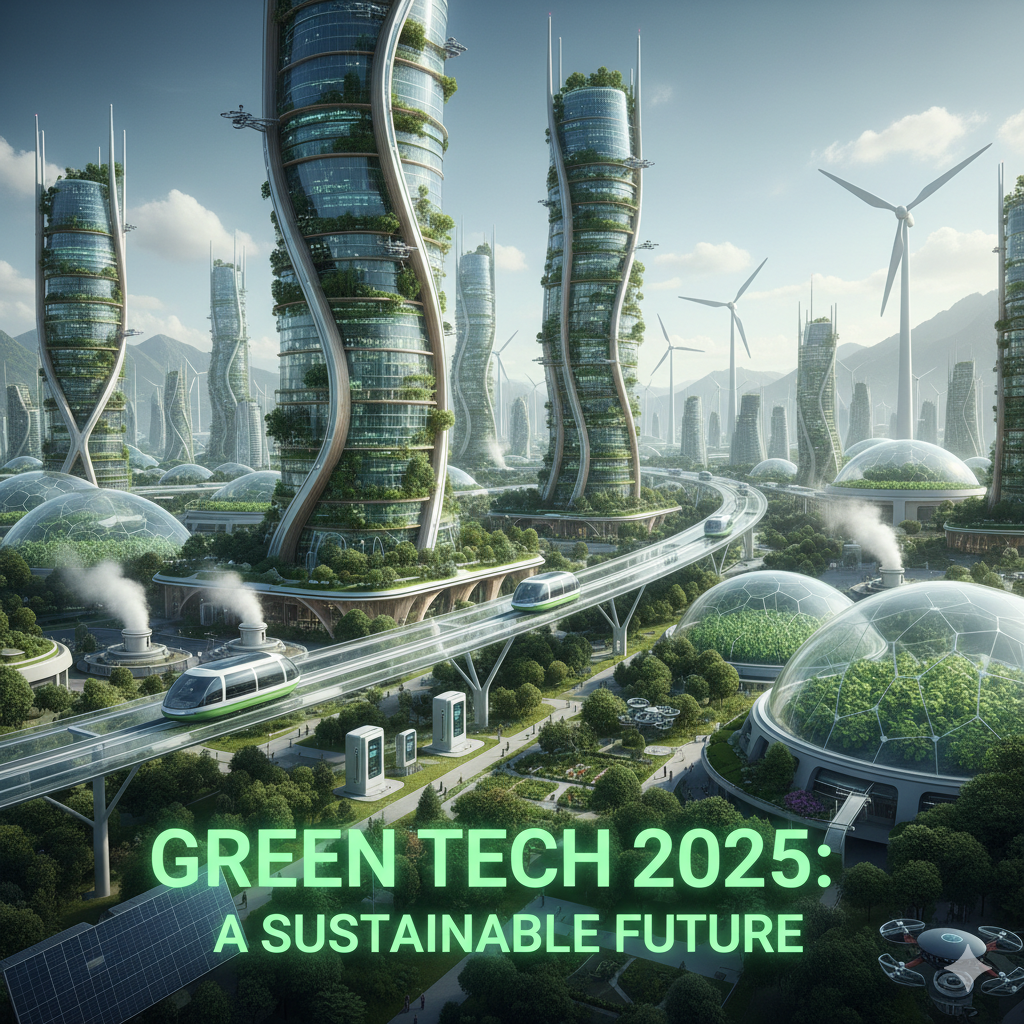
Introduction: Green Technology Innovations in 2025
In 2025, the need to tackle climate change has pushed industries to innovate like never before. Green technologies focus on reducing harmful emissions such as CO₂, using energy more efficiently, and promoting recycling. This year has seen remarkable progress in solar power, wind energy, energy storage, and sustainable agriculture, showing how committed humanity is to protecting the planet for future generations.
Renewable energy is at the heart of this change. Existing solar farms, wind turbines, and hydroelectric plants are becoming more efficient and cost-effective thanks to advanced technology. At the same time, innovative recycling methods are addressing the growing waste problem by turning materials like plastics and metals into reusable products using chemical and mechanical techniques. These solutions reduce landfill waste and lessen our dependence on limited natural resources.
Green technologies are also helping cities become more sustainable. Smart cities are lowering their carbon footprints by using energy-efficient infrastructure and electric public transport systems. Eco-friendly construction materials, such as carbon-negative concrete and bioplastics, are transforming the building industry. Governments, businesses, and individuals are working together to adopt these technologies through clean energy policies, investments in research and development, and incentives for sustainable practices.
All of this makes 2025 a pivotal year in humanity’s journey toward a greener, more sustainable future.
Why Green Technology Innovations Are Crucial for the Planet
In today’s world, protecting our environment is more important than ever. Climate change, pollution, and the overuse of natural resources are causing serious damage to ecosystems, economies, and human health. Green technology innovations are emerging as a powerful solution to these challenges. These technologies not only help reduce harmful carbon emissions but also make our economies less dependent on fossil fuels, conserve natural resources, and promote sustainable practices that benefit both people and the planet.
1. Combating Climate Change
Climate change is one of the biggest threats to our planet today. Rising temperatures, melting glaciers, extreme weather, and increasing sea levels are clear signs of its impact. Green technologies such as solar panels, wind turbines, and carbon capture systems play a critical role in addressing this crisis.
- Solar Panels & Wind Turbines: These technologies generate clean energy from sunlight and wind without producing harmful greenhouse gases. By using renewable energy, we can replace coal, oil, and gas, which are the major contributors to global warming.
- Carbon Capture & Storage: This technology captures CO₂ emissions from industrial processes and power plants and stores them safely underground. It prevents dangerous gases from entering the atmosphere and helps slow down climate change.
Overall, these innovations reduce environmental damage while providing sustainable sources of energy for the future.
2. Preserving Natural Resources
Earth’s natural resources, including water, minerals, and fossil fuels, are limited. Green technologies help manage these resources responsibly so they can last for future generations.
- Water Purification & Desalination: Advanced systems provide clean drinking water even in areas with limited freshwater resources. Desalination converts seawater into safe, drinkable water.
- Energy-Efficient Appliances: Modern appliances consume less electricity, helping households and industries save energy while reducing carbon footprints.
- Recycling Innovations: New recycling methods, such as mechanical and chemical recycling, turn plastics, metals, and other waste into reusable materials. This reduces landfill waste and limits the need to extract new resources.
By conserving resources, green technologies make our lifestyles and industries more sustainable.
3. Boosting Economic Growth
Green technologies are not just good for the environment — they are also creating new economic opportunities worldwide.
- Job Creation: Renewable energy, sustainable agriculture, waste management, and green construction sectors are generating millions of jobs globally.
- Investment Opportunities: Businesses investing in green solutions benefit from incentives, grants, and growing market demand for eco-friendly products.
- Sustainable Development: By shifting to renewable energy and green infrastructure, countries can grow their economies while reducing reliance on fossil fuels and minimizing environmental impact.
This shows that protecting the planet and economic growth can go hand-in-hand.
4. Improving Health and the Environment
Pollution has severe consequences for human health, causing respiratory problems, heart disease, and other illnesses. Green technologies help reduce these risks.
- Electric Vehicles: By reducing the use of petrol and diesel, electric vehicles lower air pollution in cities, making the air cleaner and safer to breathe.
- Renewable Energy Sources: Solar, wind, and hydroelectric energy produce electricity without harmful emissions, resulting in cleaner air and water.
- Sustainable Materials: Eco-friendly building materials like bioplastics and carbon-negative concrete reduce environmental damage and contribute to healthier living spaces.
Cleaner air, water, and soil not only benefit the environment but also improve the quality of life for communities around the world.
The Role of ESG Metrics in Sustainable Development
Incorporating ESG (Environmental, Social, and Governance) metrics into business operations is becoming increasingly important for organizations. These metrics help companies evaluate how their activities impact the environment, society, and governance practices. By using ESG practices, organizations can not only work toward sustainability but also improve their reputation and long-term success.
Key Benefits of ESG Metrics
1. Enhance Transparency
Companies must provide clear and accurate information about their environmental and social impact. This transparency allows stakeholders to understand how a business affects the planet and society, building trust and accountability.
2. Attract Investments
Investors today are increasingly focusing on sustainability. Companies with strong ESG performance are more likely to attract investors who value responsible business practices and long-term growth.
3. Mitigate Risks
ESG practices help organizations identify potential social or environmental issues before they become serious problems. Proactive measures reduce legal risks, reputational damage, and operational disruptions, ensuring the company maintains a strong and responsible image.
Bridging Innovation and Collaboration
Green technology innovations succeed only when there is collaboration between governments, businesses, and communities.
- Governments can implement policies and incentives that encourage innovation and the adoption of eco-friendly technologies.
- Businesses can invest in research and development to improve efficiency and create new solutions.
- Communities and public-private partnerships play a crucial role in funding, supporting, and deploying these innovations effectively.
When all these stakeholders work together, green technologies can tackle major environmental challenges, reduce carbon footprints, and create a resilient society. By embracing ESG metrics and green innovation, we can pave the way for a sustainable and prosperous future.
Key Green Technology Innovations to Watch in 2025
Renewable Energy Innovations
The renewable energy sector continues to lead the global shift toward cleaner and more sustainable power solutions. In 2025, significant advancements are being made in solar, wind, and hydro technologies, making renewable energy more efficient, versatile, and accessible.
1. Solar Power Innovations
Distributed solar systems are now being installed on water bodies, such as lakes and reservoirs. This approach not only saves valuable land space but also helps cool the solar panels naturally, increasing their efficiency. Floating solar farms are gaining attention as they combine energy production with environmental benefits, like reducing water evaporation.
2. Wind Energy Innovations
Vertical wind turbines are becoming increasingly popular due to their compact design and ability to fit into urban areas. Unlike traditional horizontal turbines, vertical turbines produce less noise and require less space, making them suitable for towns and small communities. This innovation allows wind energy to be harnessed closer to where people live, reducing energy transmission losses.
3. Advanced Energy Storage
A major challenge with renewable energy has always been storage — how to use power when the sun isn’t shining or the wind isn’t blowing. In 2025, improvements in energy storage are addressing this problem. High-capacity batteries and hydrogen fuel cells are now capable of storing large amounts of renewable energy for use during unfavorable weather conditions. This ensures a consistent and reliable power supply, which is essential for both homes and industries.
By combining these innovations, renewable energy is not only becoming more efficient but also more adaptable to different environments, bringing us closer to a sustainable energy future.
4. Carbon Capture and Storage (CCS)
Carbon Capture and Storage, or CCS, is a crucial technology in the fight against climate change. These systems capture carbon dioxide (CO₂) emissions from industrial processes or even directly from the atmosphere, preventing harmful gases from entering the environment. Once captured, the CO₂ is stored safely in reservoirs like depleted oil and gas fields or saline aquifers.
Recent advancements have made CCS more affordable and scalable, allowing wider adoption. An exciting new technique called mineralization converts CO₂ into solid minerals, providing a long-term and stable way to store carbon. With such technologies, industries can continue to grow while minimizing their environmental impact.
5. Electric and Autonomous Vehicles
The electric vehicle (EV) market is transforming the automotive industry toward sustainability. By 2025, advancements in battery technology, especially solid-state batteries, will increase EVs’ range, charging speed, and overall lifespan.
Additionally, these innovations support autonomous driving systems, making transportation more efficient and reducing energy consumption during travel. Alongside vehicles, smart infrastructure, such as EV charging stations powered by renewable energy, is expanding rapidly to meet growing demand.
Together, these developments cut greenhouse gas emissions and reduce dependency on fossil fuels, paving the way for a cleaner, greener transportation future.
3. Green Technologies Transforming Agriculture
Agriculture is another sector undergoing a green revolution thanks to technology. The goal is to increase crop production while minimizing environmental impact.
- Vertical Farming: Crops are grown in stacked layers under controlled conditions, saving land and water resources.
- Smart Farming Technologies: AI, drones, and sensors help monitor crop health and optimize the use of water, fertilizers, and pesticides.
- Sustainable Meat Alternatives: Plant-based and lab-grown meat reduce emissions associated with traditional livestock farming, helping curb deforestation and methane production.
These innovations not only ensure food security but also contribute to sustainable farming practices that protect ecosystems and reduce carbon footprints.
Advanced Methods for Recycling
The recycling industry is being transformed by the integration of robotics and artificial intelligence (AI). AI-powered systems can now sort and segregate materials like plastic, paper, and metals much more efficiently than before. This not only improves recycling rates but also reduces human exposure to dangerous or toxic substances by allowing robots to handle risky materials safely.
Modern recycling methods also include chemical recycling, which breaks down materials into their basic components. This process creates high-quality recycled resources that can replace virgin materials, particularly polymers, in manufacturing. By adopting these methods, we can significantly reduce landfill waste and advance circular economy strategies, where resources are continuously reused rather than discarded.
Green Building Technologies
The construction industry is now embracing eco-friendly technologies to minimize environmental impact.
- Smart Building Systems: Buildings equipped with IoT sensors and energy management software can automatically adjust lighting, heating, and cooling based on occupancy and weather conditions, saving energy and reducing emissions.
- Sustainable Materials: Bamboo, recycled steel, and carbon-negative concrete are increasingly being used in construction to lower carbon footprints.
- Net-Zero Energy Buildings: These buildings generate as much energy as they consume, making them highly sustainable.
- Urban Innovations: Green roofs and living walls not only enhance energy efficiency but also improve air quality and urban biodiversity.
By adopting these practices, buildings can become smarter, greener, and more sustainable, contributing to healthier urban environments.
Global Trends in Green Tech Innovations
The world is witnessing a rapid global push towards sustainability, driven by both environmental concerns and economic opportunities. Green technology is playing a central role in combating climate change while also promoting sustainable development. Governments, businesses, and communities worldwide are increasingly investing in eco-friendly innovations, from renewable energy to sustainable infrastructure, recycling, and agriculture.
As 2025 marks a significant turning point in these efforts, embracing these key green technology trends
Government Policies and Incentives Driving Green Technology
Governments around the world are playing a crucial role in promoting green technology adoption. Through policies, regulations, and financial support, they are encouraging businesses and individuals to transition toward a sustainable future. Here are some key initiatives:
1. Subsidies and Grants
Governments provide financial support to fund renewable energy projects and promote research in sustainable technologies. These subsidies help reduce the initial cost of implementing green solutions, making it easier for companies and communities to adopt eco-friendly innovations.
2. Tax Breaks
Tax incentives are designed to encourage both businesses and individuals to invest in eco-friendly technologies. By lowering financial barriers, tax breaks make it more feasible to switch to renewable energy, energy-efficient appliances, or sustainable transportation options.
3. Strict Regulations
To achieve global climate goals, many governments have introduced regulations that enforce energy efficiency, emission reductions, and sustainable resource usage. These rules ensure that industries and organizations follow responsible practices to reduce their environmental impact.
4. EU Green Deal
The European Union Green Deal is a comprehensive policy roadmap aiming for climate neutrality by 2050. It focuses on clean energy, sustainable transport, biodiversity protection, and circular economy strategies. The Green Deal encourages innovation while holding industries accountable for reducing environmental damage.
5. US Inflation Reduction Act
The US Inflation Reduction Act is a groundbreaking initiative designed to boost investment in clean energy, incentivize domestic manufacturing, and expand renewable energy production. This act is helping the country move toward a low-carbon economy while creating new economic opportunities.
These government policies and incentives are paving the way for widespread adoption of green technologies, making it easier for society to shift toward sustainable practices and combat climate change effectively.
Rise of ESG Solutions
Businesses today are increasingly changing their operational models due to the growing importance of ESG (Environmental, Social, and Governance) metrics. Companies now understand that adopting sustainability goals not only improves their market position but also meets the expectations of stakeholders, investors, and customers.
Key Benefits of ESG Solutions
1. Data-Driven Decisions
ESG solutions like SFDR Data Solutions and ESG Data Analytics help businesses monitor and report their sustainability performance. By using these tools, companies can make informed decisions, track their progress toward sustainability targets, and showcase transparency to investors and stakeholders.
2. Regulatory Compliance
Navigating sustainability regulations can be complex. Tools from providers like SG Analytics help companies comply with regulations such as the EU Sustainable Finance Disclosure Regulation (SFDR), ensuring that businesses operate responsibly while avoiding legal issues.
3. Mitigating ESG Controversies
By adopting ESG practices, companies can reduce risks associated with unsustainable practices. Greater accountability and transparency help prevent controversies that could harm a company’s reputation, ensuring trust among customers, investors, and the public.
Public-Private Partnerships
Collaboration between governments, private enterprises, and NGOs has been a major driver of breakthrough green innovations.
1. Funding Support
Public-private partnerships provide financial backing for large-scale green technology projects, making it possible to develop and deploy innovative solutions.
2. Shared Expertise
These partnerships allow organizations to leverage expertise from NGOs, research institutions, and universities, combining knowledge and resources to accelerate technological advancements.
3. Global Initiatives
Programs like Mission Innovation bring countries together to invest in clean energy research and deployment, enabling collaborative progress toward a greener, more sustainable future.
By embracing ESG solutions and fostering public-private partnerships, businesses and societies are better equipped to tackle environmental challenges, ensure sustainability, and drive innovation.
Technological Integration in Green Innovation
Emerging technologies are redefining green innovation, making energy use, waste management, and sustainability more efficient and effective.
1. AI and IoT
Artificial Intelligence (AI) and the Internet of Things (IoT) are helping improve energy efficiency across various sectors.
- Homes: Smart systems automatically control lighting, heating, and cooling to save energy.
- Waste Management: AI-powered solutions optimize waste collection routes and recycling processes.
- Smart Agriculture: IoT sensors monitor soil, water, and crop health, ensuring resources are used efficiently while increasing crop yields.
2. Blockchain
Blockchain technology is enhancing transparency in sustainable supply chains. It allows companies to track products from origin to delivery, ensuring responsible sourcing and minimizing environmental impacts. Consumers and businesses alike can verify sustainability claims, promoting accountability.
3. Big Data Analytics
With Big Data Analytics, monitoring environmental conditions and controlling resource usage has become more precise. Industries can optimize energy consumption, reduce emissions, and predict environmental risks, enabling smarter and faster decision-making.
Focus on Circular Economies
The shift from linear “take-make-dispose” economies to circular economies is gaining momentum. This approach prioritizes reuse, recycling, and waste reduction.
- Waste Reduction: Modern technologies, like chemical recycling and biodegradable materials, help minimize waste generation.
- Reuse and Recycling: Governments are encouraging companies to design products that are reusable and recyclable, reducing the strain on natural resources.
- Innovation in Waste Management: AI and robotics streamline the sorting, processing, and recycling of materials, making waste management faster and safer.
By integrating advanced technologies and focusing on circular economies, societies can maximize resource efficiency, reduce pollution, and build a sustainable future.
Conclusion: Paving the Way for a Sustainable Future
The array of Green Technology Innovations emerging in 2025 is not merely a collection of incremental updates; it represents a fundamental pivot point toward a truly sustainable future. The convergence of smart grids, advanced renewable energy sources, energy-efficient building designs, and sophisticated clean transportation solutions signifies a rapid acceleration in our collective commitment to environmental stewardship.
By integrating these technologies—from AI-optimized energy management to circular economy models—we are moving beyond simply mitigating climate damage and actively beginning to regenerate our planet. The vision of a vibrant, clean, and economically robust future, as depicted, is becoming tangible. Crucially, the success of this innovation wave relies on continued global collaboration, policy support, and investment, ensuring these technologies are accessible and deployed at the scale necessary to build the resilient, green cities of tomorrow. The year 2025, therefore, marks a powerful stage gate in our journey to make a sustainable world a present-day reality.